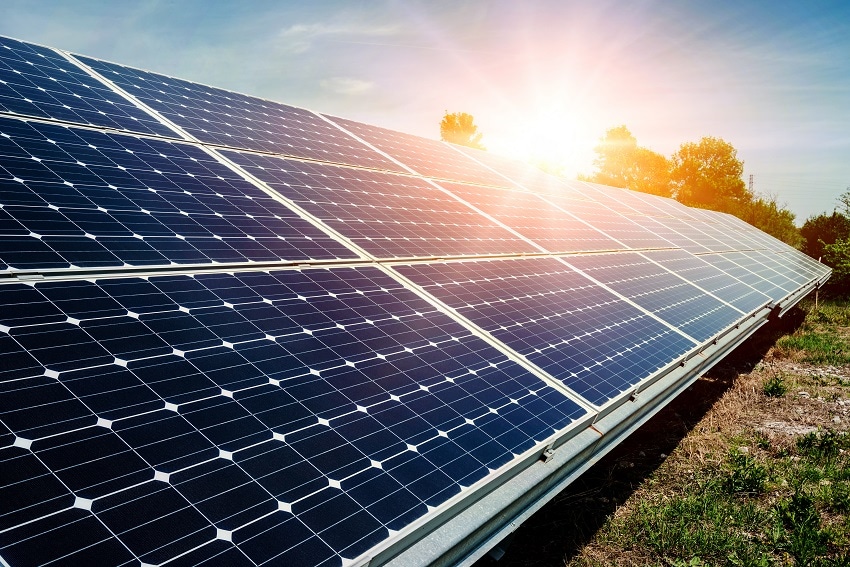
Solar Panels
Solar panels provide huge benefits when it comes to energy production and resource conservation. Once they no longer work though, they present a difficult disposal challenge. As the first generation of solar panels begins to give out, we're starting to see more panels without a home.
Can we recycle old solar panels?
Photovoltaic (PV) modules, or solar panels, contain a significant amount of recyclable components, but unfortunately they're difficult to process. In addition to strong adhesives and fragile parts, the panels contain hazardous materials which classify many of them as hazardous waste at their end of life.
California's Department of Toxic Substances Control (DTSC) is working to designate solar panels as universal waste, which would ease the management requirements for spent panels. In the meantime, most solar panels must be treated as hazardous waste. With their large size and high disposal costs, this becomes challenging for household hazardous waste collection centers.
Currently, there are some organizations accepting solar panels for recycling. Residents should see below for the best options for small amounts of solar panels. Businesses and property managers with a large amount of solar panels should reach out to We Recycle Solar or Tempus directly.
MarBorg Solar Panel Drop Off
Solar panels can now be dropped with MarBorg Industries at there Santa Maria location at 1850 Betteravia Rd. Solar panel drop off is by appointment only, and current rate of disposal is $40 per panel. Solar panel drop-offs are scheduled Monday - Friday from 8AM-4PM. To set up an appointment please call 805-229-2792 or email NC-Support@marborg.com.
*First Solar brand solar panels with Cadmium CANNOT be accepted. All other panels are okay.
Manufacturer Take-Back
If you need to get rid of solar panels, start by first contacting the manufacturer. Some companies, such as First Solar, offer take-back programs. Manufacturers are best equipped to disassemble the products and make use of the still usable components.
A number of European countries, as well as the state of Washington, have legislated programs that require manufacturers to provide take-back services. These Extended Producer Responsibility (EPR) programs are growing in popularity for many types of products, including paint, electronics, batteries, and mattresses.
Donation
If your unwanted solar panels are still functional, try donating them to a non-profit such as Habitat for Humanity or Good Sun.
Where to go
-
Outside Santa Barbara County (1)
- Cal Micro Recycling — 1541 Brooks Street
Related Articles
-
Reminder: Santa Ynez Valley Hazardous Waste Collection Event Postponed
March 23, 2020 by Leslie Robinson -
Hazardous Waste Collection Center Temporarily Closed – Updated 3/30/20
March 30, 2020 by Leslie Robinson - Hazardous Waste Recycling/Disposal -
Hazardous Waste Disposal Options in Santa Barbara County
June 04, 2021 by Tori Kampmann - Hazardous Waste Recycling/Disposal -
FREE Household Hazardous Waste Event!
March 31, 2024 by Kaitlyn Haberlin - Hazardous Waste Recycling/Disposal -
New Year, New Protocol!
February 02, 2022 by Tori Kampmann -
2023/2024 Resource Recovery Waste Management Annual Report
February 12, 2025 by Owen Walsh -
Community Hazardous Waste Collection Center Tour Offered During Creek Week!
August 26, 2024 by Kaitlyn Haberlin - Hazardous Waste Recycling/Disposal -
Solar Panel Recycling in Santa Barbara County
October 16, 2025 by Owen Walsh